
How much do you know about Herpes?

View our Treatments
-
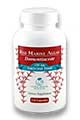
Red Marine Algae
-
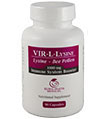
Vir-L-Lysine
-
Essential Oils
-
Warts No More
-

Aviralex
-
Red Marine Algae
-
Vir-L-Lysine
-
Essential Oils
-
Warts No More
-
Aviralex
-
Vir-L-Lysine
-
Essential Oils
-
Warts No More
-
last one
Featured Video
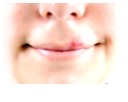
Oral Herpes
an infection caused by the herpes simplex virus, is estimated to be present in 50 to 80 percent of the American adult population. Read More

Genital Herpes
also caused by the herpes simplex virus, is estimated to be present in 20 percent, over 50 million people, and the majority of these cases may be unaware they even have it. Studies show that more than 500,000 Americans are diagnosed with genital herpes each year, and the largest increase is occurring in young teens. Genital herpes is an STD (Sexually Transmitted Disease) caused by the herpes simplex viruses type 1 (HSV-1) or type 2 (HSV-2). Although, most genital herpes is caused by the herpes type 2 virus (HSV-2). Read More
There is no cure for herpes to date. Supporting your immune system should be your first goal. A weakened immune system is more prone to outbreaks. Efforts to develop a herpes vaccine by biotechnology companies are ongoing. Until an effective herpes vaccine or cure for HSV infection is found, the prevailing approach to treatment continues to be suppressive antiviral therapy. Links on this page go to treatments, services, information, doctors answers, and publications that can help you cope with herpes in your life.
A diet with a higher lysine to arginine ratio may reduce the frequency of herpes outbreaks. Check out the chart on Diet and Nutrition which evaluates the foods you are eating. Notice foods like nuts have a high arginine count, so try to reduce your consumption.
The Mission Of This Herpes Web Site:
- To help you reduce the risk of spreading herpes
- To fill the desperate need for herpes education
- To help you gain the confidence to manage herpes in your daily life
- To provide links to confidential Herpes testing and STD testing
- To inform you of ways to limit herpes recurrences
- To inform you of products beneficial to herpes sufferers
- To link to a new Herpes Dating Service
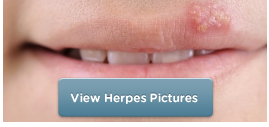
- To show pictures of herpes symptoms
- To provide new information and articles on the herpes simplex virus





Top 10 Herpes Facts
Sex Health Guru Video Tip brought to you by Alice W. Kp M.D. John Hopkins Hospital, Watch the Video

Featured Article
The Truth about HSV-1 and HSV-2 American Social Health Association (ASHA), read the Article

Other Infections
Do you also think you may have been exposed to another STD? Find help now. www.stdsite.com
