
Herpes Symptoms
What are the Symptoms when you first get herpes?
Symptoms of herpes usually develop within 2 to 20 days after contact with the virus, although it could take longer. These symptoms may last up to several weeks, varying from one person to the next. In many people, the first infection is so mild that it goes unnoticed. It is possible that a person becomes aware of the “first episode” years after the infection is acquired. Many people who contract HSV are not aware of their infection.
If symptoms occur during the first outbreak, they can be quite pronounced. The symptoms can be very severe as many have shared their experiences on this site. Some people couldn’t walk, were in bed for days, having excruciating pain radiating down their legs with weakness and flu-like symptoms. Others didn’t even know they were infected.
Usually the first attack causes visible sores with a myriad of other symptoms mentioned below, and commonly more intense than recurrent outbreaks. When the sores are completely healed, the active phase of infection is over. When the skin heals, the sores usually leave no scars. Whether a person has symptoms or not, the virus retreats into the nervous system and lays dormant. Asymptomatic shedding (shedding without symptoms) can still occur when no sores are present. Subsequent recurrences of the disease usually cause lesions but may not have the extreme pain and flu-like symptoms as the initial outbreak.
Herpes Symptom Evaluation
Want to share info about your herpes symptoms? What type of herpes symptoms do you have? How many outbreaks have you had in the past year? Please go to our Herpes Survey Page, and then view others' answers about herpes symptoms and more on the Survey Results Page.
To view examples of herpes go to the Herpes Pictures Page. Be advised the pictures are graphic and may be disturbing. Please view at your own discretion.
Red Marine Algae
- Sea Vegetables have more nutrients and minerals than plants grown on land. Red Marine Algae fight viruses, help maintain the alkalinity in your body and boost your immune system.
- Red Marine Algae have also been useful with weight loss and lowering cholesterol and fat in the blood.
Prodromal Symptoms
Before an actual outbreak, a day or so before, you may feel tingling, itching, burning, pain, or flu-like symptoms, This is called the prodromal stage. This is a very contagious period even without any obvious sores. At this time, you are contagious and can shed the herpes virus, so do not have skin to skin contact with anyone. This means no kissing or oral sex if you have cold sores or if you have genital herpes, no intercourse or oral sex. Check out Dr. Amy’s guidance on dental damns.
Also watch your diet and include more lysine and decrease your arginine. See diet. If you are not already on a prophylactic for outbreaks, begin treatment to suppress your symptoms.
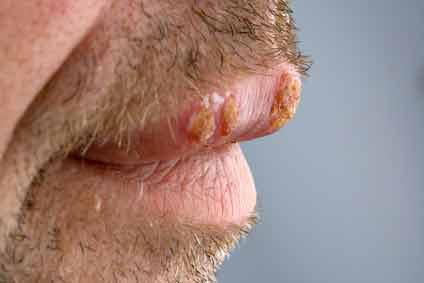
Typical Herpes Symptoms
The virus starts to multiply when it gets into the skin cells. The skin becomes red and sensitive, and soon afterward, one or more blisters or bumps appear. The blisters first open, scab over, and then heal as new skin tissue forms. During a first outbreak, the area is usually painful and may itch, burn or tingle. Flu-like symptoms are also common. These include swollen glands, headache, muscle ache, lower back pain, and fever. Herpes may also infect the urethra, and urinating may cause a burning sensation.
People diagnosed with herpes can expect to have several, typically four or five, outbreaks within a year. As time passes, these recurrences usually decrease in frequency. Herpes recurrences vary individually.



Top 10 Herpes Facts
Sex Health Guru Video Tip brought to you by Alice W. Kp M.D. John Hopkins Hospital,

Featured Article
The Truth about HSV-1 and HSV-2 American Social Health Association (ASHA), read the Article

Other Infections
Do you also think you may have been exposed to another STD? Find help now. www.stdsite.com
